No animal is more tightly wound into Thailand’s identity. The Thai word — chang (ช้าง) — is in place names, beer, and the national story. The white elephant is royal. An elephant sat on the Siamese flag until 1917. The relationship with Elephas maximus runs through war, logging, reverence, street begging, and, increasingly, an argument about what a sanctuary is.
Wild elephants
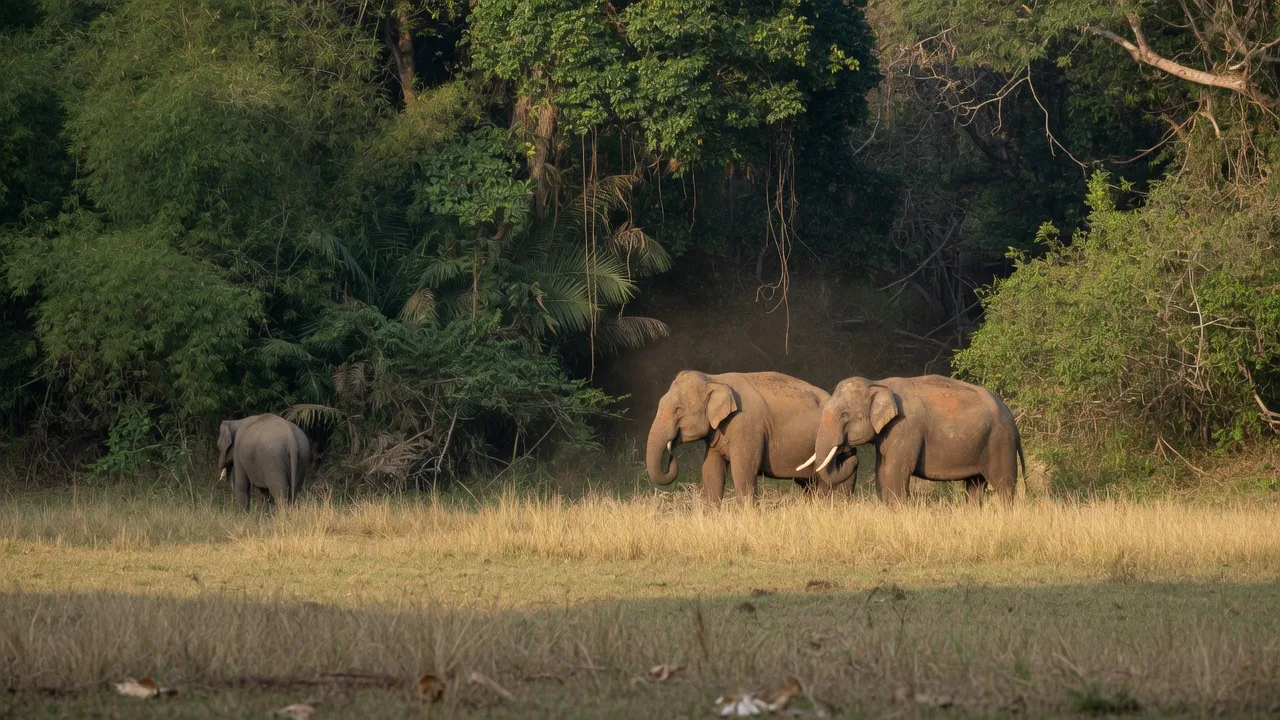
On the order of 3,000–4,000 Asian elephants live wild in Thai parks and reserves — often cited as the third-largest wild population in Asia after India and Sri Lanka. Another 3,700+ live in captivity, registered as livestock with ID cards, same species as the wild ones.
Elephas maximus is not the African bush elephant. Smaller ears, a convex back, one “finger” at the trunk tip, and a head that carries the temple. They browse and graze ~150 kg a day and drink in bulk when they can. Gestation 18–22 months is why a breeding herd recovers slowly after poaching or a bad conflict year.
| Pin | Figure |
|---|---|
| Wild (estimate) | 3,000–4,000 |
| Captive (estimate) | 3,700+ |
| Khao Yai herd | ~300 |
| Khao Yai gate (foreign adult, 2026) | 400 THB |
| Logging ban that stranded mahouts | 1989 |
| Flag without elephant | from 1917 |
| Gestation | ~18–22 months |
| Daily forage | ~150 kg vegetation, plus water |
| Bull height / weight (order of) | ~2.5–3 m shoulder; 2–5 tonnes |


Western Forest Complex
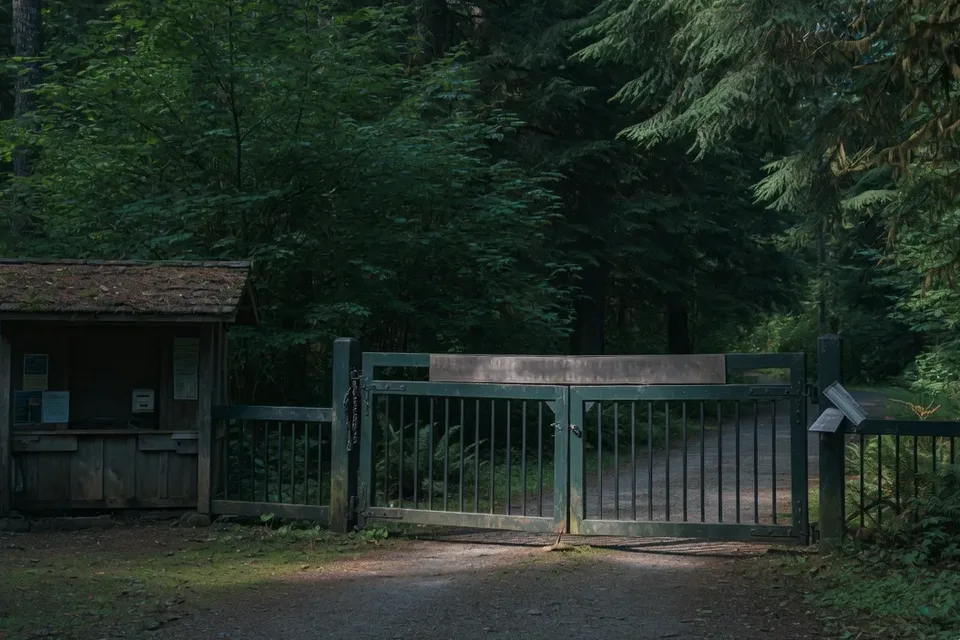
Primary stronghold: WEFCOM, 18,000+ km² across Kanchanaburi, Tak, Uthai Thani, Kamphaeng Phet — largest protected forest in mainland Southeast Asia. Includes Huai Kha Khaeng and Thung Yai Naresuan (UNESCO), plus Erawan, Sai Yok, Sri Nakarin. Tigers, gaur, banteng, elephants. Not all of this is open like Khao Yai. National parks overview.
Khao Yai
Oldest park (1962), UNESCO complex 2005, ~300 elephants, 3 hours from Bangkok, 400 THB foreign adult. Road crossings in the rains (June–October). Night drives. Towers at Mo Singto and Nong Phak Chi. Khao Yai, Park permits.
Kui Buri
South of Hua Hin. Often the best close-range wild viewing: afternoon sessions at salt licks and grassland, herds of 30–50. Gaur too. This is still a park, not a zoo. Dry-season hides (roughly December–April) concentrate animals on the grass; the rains scatter them. Stay in the vehicle. A zoom lens is not an invitation to walk in.
Human–elephant conflict
Settlement eats forest edge. Elephants raid sugarcane, pineapple, durian at night — a bull can empty a plot that took a year to grow. Farmers lose money. Retaliatory killings are rare and real. Mitigation: electric fences, corridors, insurance, community programmes. Corridors between fragments are the unglamorous conservation. Musth (a periodic testosterone spike in bulls) makes an already large animal less predictable; rangers will already have closed a road before you invent a photograph.
Captive elephants, logging, tourism
For centuries elephants were how you extracted teak. Mahout and animal were a life pairing. The 1989 logging ban — after floods tied to deforestation — ended that industry overnight and dumped thousands of working elephants and mahouts into tourism, and, worse, onto city streets.
Avoid
- Riding — spines are not howdah platforms. Long-term riding wrecks backs.
- Circus tricks — painting, football. Usually requires phajaan (breaking).
- Street begging — illegal, still occasionally encountered. Do not pay it.
Better (still do your own due diligence)
- Elephant Nature Park, Chiang Mai — Lek Chailert’s rescue model: observe, no riding, no hooks.
- Elephant Hills, Khao Sok — observation in rainforest, luxury price.
- Boon Lott’s (BLES), Sukhothai — small rescue.
- ChangChill, Chiang Mai — observation/feeding in a mahout community.
Look for: no riding, no shows, roam (not chained except medically), natural diet and bathing, no bullhook, honest rescue histories, real accreditation. “Sanctuary” on a sign is not a certification. The Thai Elephant Conservation Center at Lampang is the old government camp — hospital, logging-heritage shows, a different product from a Chiang Mai rescue. Read the day, not the brochure. Wildlife overview.
White elephants
A chang phueak is not an albino. Royal experts score pale skin behind the ears, light nails, a particular build. White elephants belong to the king. Finding one is a ceremony, not a safari.
King Bhumibol (Rama IX) held 10 during his reign — the most of any Thai monarch. The English insult “white elephant” comes from the story of gifting a sacred, unworkable, expensive animal to a courtier who could not refuse. People & Spirit: the monarchy. Do not make the joke in a taxi.
Festivals
- Surin Elephant Round-Up — November, Surin (Isan). Hundreds of elephants, pageant, history shows. Spectacular and criticised. Decide before you buy the ticket.
- Royal Ploughing Ceremony — Bangkok, agricultural omen. Elephants were traditional; today the rite runs without them but the link remains.
Khao Sok still has elephants that you will probably not see. Tracks count. Khao Sok. Inthanon is the wrong habitat for a herd photograph; it is 2,565 m of cloud forest. Doi Inthanon.
A pair of compact binoculars at Kui Buri or Khao Yai beats a zoom you will use to crowd the animal — Nikon Aculon stays rejected, and Celestron LandScout B08HVWF5DS is a Size Name parent across LandScout sizes, so this stays a search. Stay in the vehicle when the ranger says so. Do not feed. Do not drone.
Gateway if you are building a north week around Chiang Mai camps: Chiang Mai, Northern adventure.
How to tell a camp from a viewing day
A “sanctuary” that offers rides, painting, or football is a performance business. A park night-drive where a ranger keeps you in the vehicle is viewing. Kui Buri (Prachuap) is the grassland where wild herds still come down to the crop edge in late afternoon in season — you watch from a designated point. Khao Yai’s grassland edges work the same way: distance, engine off, no shouting.
Thailand’s remaining wild population is concentrated in a handful of forest complexes, not evenly sprinkled for itineraries. You can spend a week in the south and see none. That is the honest wildlife product. Tracks, dung, and a distant shape in binoculars beat a painted nail and a howdah.
If a camp lets you bathe an elephant in a river with twenty other tourists, you are in the performance column. Pay for a park ticket instead. Foreigner adult Khao Yai is 400 THB at Pak Chong / Noen Hom. Park permits.
Next
Wildlife overview, Khao Yai, Park permits, National parks overview, Khao Sok.