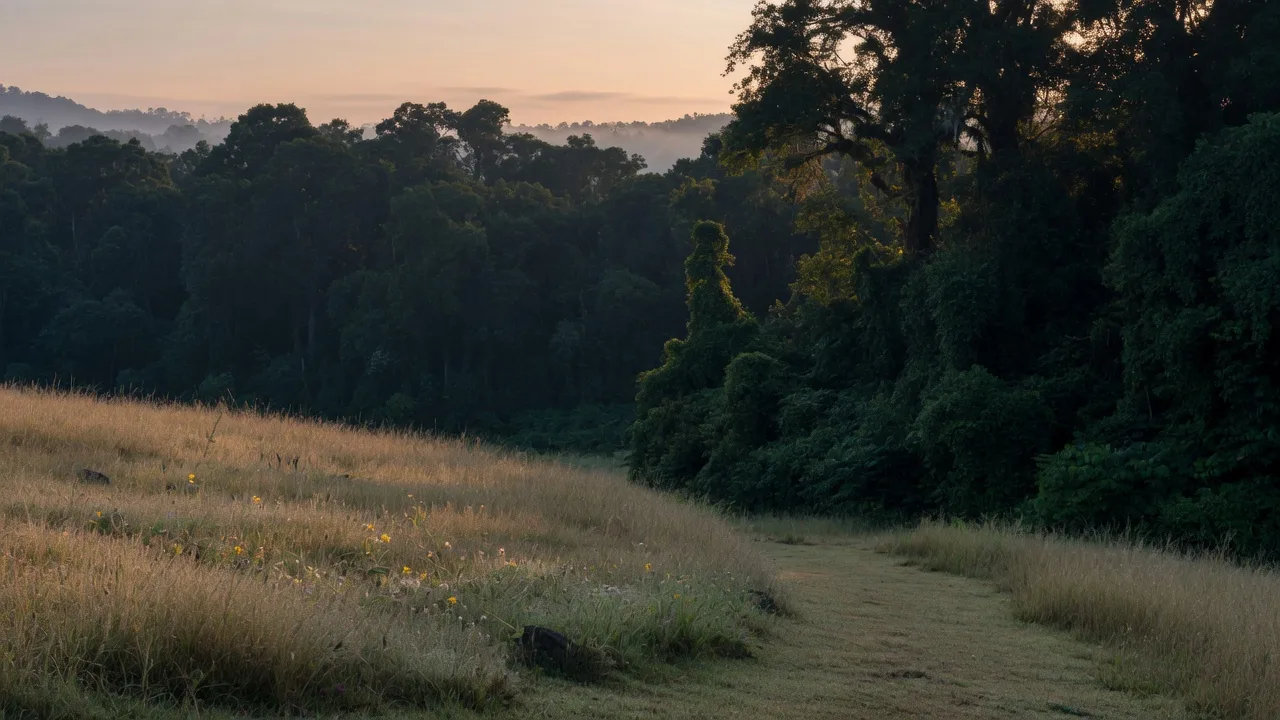
Khao Yai (เขาใหญ่, “Big Mountain”) is Thailand’s first national park, established 1962. It is also the most visited, the most accessible from Bangkok, and — as part of the Dong Phayayen–Khao Yai Forest Complex (UNESCO 2005) — one of the most important.
2,168 km² of forested mountains across four provinces. On the order of 300 wild elephants, a handful of tigers confirmed on camera traps (3–5 is the cautious public figure), 350+ birds, gibbons, hornbills, macaques, gaur, sambar. It is also about 3 hours from Bangkok by car, which is why the car park fills.
Landscape
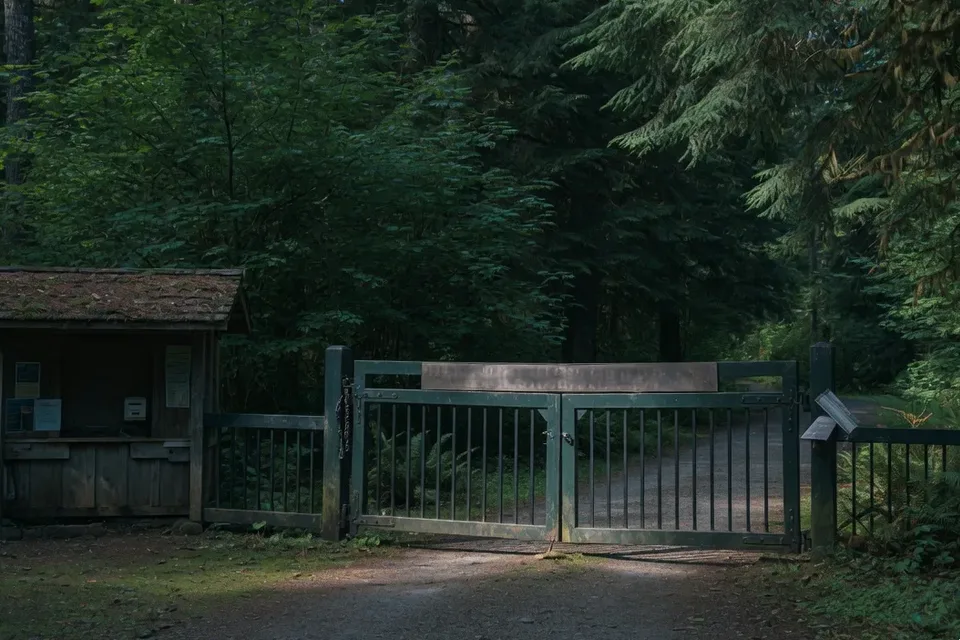
Western edge of the Khorat Plateau. High point Khao Rom at 1,351 m. Lowland semi-evergreen, bamboo, montane forest, grassland plateaus. Canopy 30–40 m, emergents 50 m+. Dipterocarps, evergreens, strangler figs doing the slow murder they are famous for.
| Pin (2026) | Figure |
|---|---|
| Area | 2,168 km² |
| UNESCO complex | Dong Phayayen–Khao Yai, 2005; complex ~6,155 km² |
| Foreigner adult / child | 400 / 200 THB |
| Thai adult | 40 THB |
| Vehicle | Car 30, motorbike 20 THB (typical board) |
| Gates | Pak Chong and Noen Hom — know which one |
| Hours | Often 06:00–18:00; night drives separate |
| Bangkok | ~175 km / ~3 hours |


Cash at the booth. Park permits. Withdraw in Pak Chong on the way in, not at the barrier. Pak Chong town to the north gate is typically 30–45 minutes.
The 2005 UNESCO listing is five units, ~6,155 km², not just the waterfall car park:
| Unit | Role |
|---|---|
| Khao Yai NP | Public door: elephants, trails, Haew Suwat / Haew Narok |
| Thap Lan NP | Largest block; drier forest; fewer day-trippers |
| Pang Sida NP | Sa Kaeo; quieter; the cobra statue people photograph |
| Ta Phraya NP | Cambodian border end of the 230 km complex |
| Dong Yai Wildlife Sanctuary | Not a tourist product |
Four provinces share Khao Yai itself: Nakhon Ratchasima (Pak Chong), Nakhon Nayok (Noen Hom), Saraburi, Prachinburi. Know which gate you booked the bungalow against. Visitor centre, Chao Por shrine, and the first viewpoints sit around Km 30 on the park road. Night drives: book at the visitor centre the same afternoon; we will not invent a 2026 baht SKU.
Wildlife
Elephants
About 300 animals, among the more viewable wild herds in Thailand. They cross roads, especially in the rains (June–October) when they move onto grassland. Night safari drives along park roads raise the odds — spotlights on forest edge for elephants, sambar, porcupine, civet. Watch towers at Mo Singto and Nong Phak Chi. Elephants.
Gibbons
White-handed gibbons, heard at dawn as a whoop that accelerates. Seen with patience and a guide.
Hornbills
Four species recorded, including Great Hornbill (Buceros bicornis). The Khao Yai Hornbill Project is one of the country’s better research programmes.
Other mammals
Sambar (night drives), muntjac, Asiatic black bear (rarely seen), gaur, porcupine, civet, wild boar.
Bats
At the entrance cave, millions of wrinkle-lipped bats pour out at dusk in a ribbon that can take 30+ minutes to empty the hole. One of the better free spectacles in the park, if “free” after the gate fee.
Do not feed macaques. Fed monkeys bite. That is a clinic, not a story. Wildlife overview.
Waterfalls
- Haew Narok — “The Abyss”, about 150 m into a gorge, three drops. Elephants have died trying to cross the swollen river above. Stay on the platform. It is a longer drive toward the south of the park, not a pull-off from Haew Suwat.
- Haew Suwat — about 20 m, the one in The Beach (2000). Short trail from the Pha Kluai Mai area. Swimming in the pool below when it is permitted — often not, after rain or a ranger mood.
- Haew Sai — seasonal, off the main road, best in and just after the rains.
- Pha Kluai Mai — “orchid cliff”; the namesake trail, streams, and a campground people actually use.
Trails
| Trail | Distance | Difficulty | Why |
|---|---|---|---|
| Pha Kluai Mai | 3.5 km | Easy | Orchids, streams, bamboo |
| Nong Phak Chi | 3 km | Easy | Tower over grassland / salt lick |
| Kong Kaew | 8 km | Moderate | Old growth, gibbons, views |
| Km 33 | 2–4 km | Easy–moderate | Night walks guided only |
Night drives roughly 18:00–21:00 through visitor centres or operators. Eyeshine is the game. A Nitecore NU25 UL headlamp (model NU25 UL) and compact binoculars. Nebo 150 B09GV964P6 and Ledlenser MH7 B07HM7VZM1 were unavailable earlier; Actik Core and Tikka colour menus stay rejected.
Practical
Stay: DNP bungalows and campsite (book the DNP site; weekends go). Resorts outside the park in every price band.
Best time: November–February for walking weather. Wildlife is often busiest in and just after the rains (July–October), which is also mud. Monsoon seasons, Climate zones.
Getting there: car or taxi from Bangkok; day tours exist. Public transport is how you spend the day arriving. Gateway: Bangkok, Getting there.
Bring: warm layer for evening (it drops), repellent, rain gear, shoes that can take a trail. Approach shoes, tropical insect repellent.
Day-trip sketch: leave Bangkok 06:00, Haew Suwat and a trail in the morning, Haew Narok and a tower in the afternoon, night drive only if you stay. A single day is a taste. Dawn and dusk are why you sleep here.
Drones: no. Soap in waterfalls: no. Off-trail in monsoon: no. Park permits.
The UNESCO listing covers five connected protected areas, over 6,000 km², as a corridor for elephants and tigers. Khao Yai is the door the public is allowed to use. That is a privilege with a 400-baht sign.
A working day in the park
Enter Pak Chong or Noen Hom with cash. Foreign adult 400 THB, child 200, car 30, motorbike 20. Ticket is a calendar day; same-day re-entry is usually fine. Visitor centres skew 08:00–16:30. Night safari is a separate product, not a freelance walk.
Do not get out of the car for macaques in the parking lot. They will open a bag. Hornbills at the forest edge are the actual wildlife; elephants are a maybe at dusk on the grassland. Trails close in monsoon without a press release you saw — ask that morning.
Khao Yai was Thailand’s first national park (1962) and a UNESCO World Heritage component of the Dong Phayayen–Khao Yai forest complex. That status is why the fee board exists. It is not a theme park. Park permits.
Next
Park permits, National parks overview, Elephants, Wildlife overview, Bangkok.