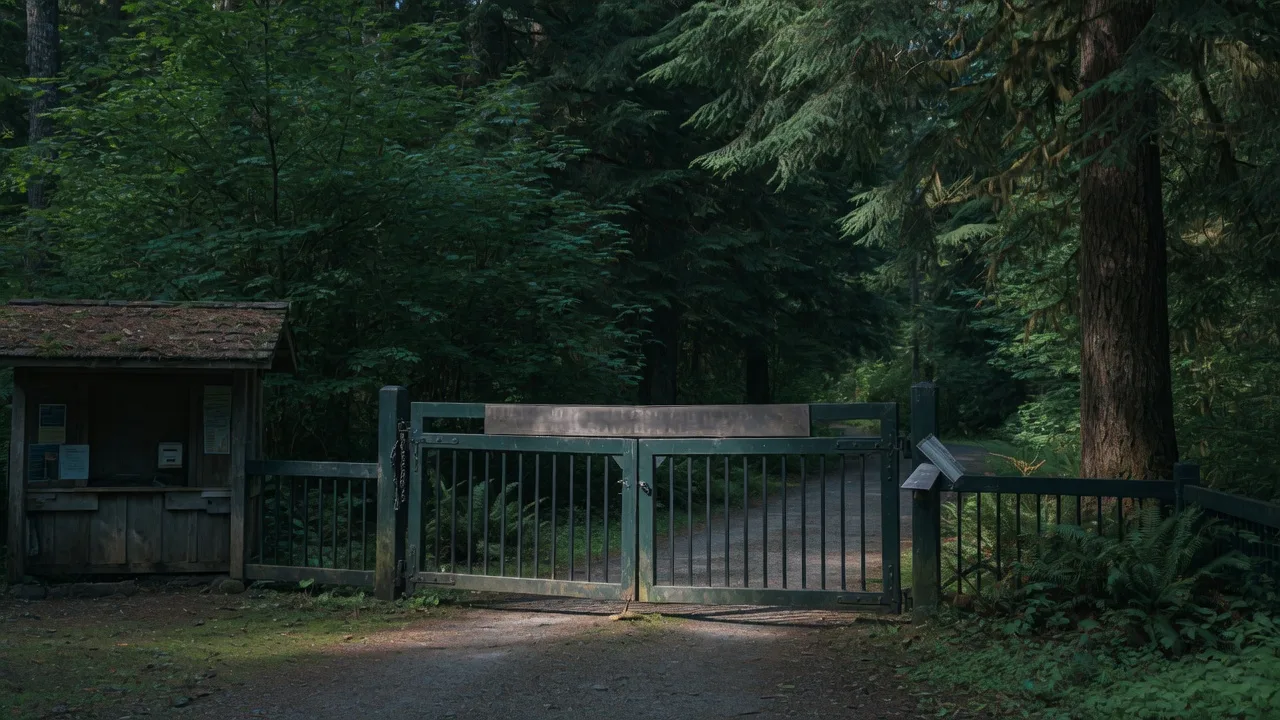
Thailand’s park system is one of the denser in Southeast Asia: 154 national parks (130 terrestrial, 24 marine) plus 58 wildlife sanctuaries, covering on the order of 18% of the land. The landscapes run from limestone and monsoon forest to reef and mangrove. Development pressure did not go away because a sign went up. The signs still matter.
This page is the map. Tariffs and drones: Park permits. The three parks visitors actually mean: Khao Yai, Doi Inthanon, Khao Sok.
How the system got here
First park: Khao Yai, 1962, modelled on the American idea of a national park. Growth crawled, then ran from the 1980s after the 1970s–80s logging pulse knocked forest cover from roughly 54% toward under 30%.
The 1989 logging ban — after floods linked to denuded slopes — stopped commercial cutting in natural forest. Cover has since sat around 31–33% and inched up through planting. That is a stabilisation, not a rainforest renaissance.
| Pin | Figure |
|---|---|
| National parks | 154 (130 land, 24 marine) |
| Wildlife sanctuaries | 58 |
| Land in protection (order of magnitude) | ~18% |
| Forest cover now | ~31–33% |
| First park | Khao Yai 1962 |
| Logging ban | 1989 |


Two-tier gates are policy: foreigners pay more. Cash. Park permits.
UNESCO natural sites
Thailand has three natural World Heritage properties visitors mix up with “national park”:
- Thungyai–Huai Kha Khaeng (1991) — 6,222 km², Western Forest Complex, the crown. Tigers, elephants, gaur. Not a general-tourism park. Access is tightly controlled.
- Dong Phayayen–Khao Yai (2005) — five areas, 6,155 km², mountains NE of Bangkok. Includes Khao Yai, the one you can actually visit. Tiger and elephant corridor.
- Kaeng Krachan Forest Complex (2021) — 4,089 km² on the Myanmar border, including Kaeng Krachan National Park (Thailand’s largest by area). 400+ birds.
Sanctuaries are not parks with a gift shop. If a blog says you can night-drive Huai Kha Khaeng like Khao Yai, it is wrong.
Terrestrial parks worth the gate
Khao Yai
Nakhon Ratchasima / Saraburi / Nakhon Nayok. 2,168 km². Elephants, gibbons, hornbills, Haew Narok and Haew Suwat (The Beach), night drives. 400 THB foreigner adult. November–February for walking; rains for wildlife and mud. Khao Yai.
Khao Sok
Surat Thani. 739 km². Old rainforest, Cheow Lan Lake, raft-houses, Rafflesia (Jan–Mar). HQ often 200–300 THB; Cheow Lan adult commonly 300 THB — ask if the boat already includes it. December–April. Khao Sok.
Doi Inthanon
Chiang Mai, 90 minutes to the door. 482 km². Summit 2,565 m, royal stupas, cloud forest, 380+ birds. 300 THB. November–February; summit can be 0–5 °C. Doi Inthanon.
Erawan
Kanchanaburi. 550 km². Seven-tier falls, green pools, named for the three-headed elephant. Best water late rains / early cool, trails dry enough to walk.
Kaeng Krachan
Phetchaburi, Myanmar border. 2,914 km², largest park. Birding 400+. Elephants. Sea-of-mist viewpoints. November–March.
Khao Sam Roi Yot
Prachuap Khiri Khan, south of Hua Hin. 98 km². “Mountain of 300 peaks,” coastal marsh, Phraya Nakhon Cave and the royal pavilion in a sun shaft. The photograph everyone already has, still worth the steps.
Marine parks
Mu Ko Similan
~80 km off Phang Nga. Nine islands, 140 km². World-class diving. Open about 15 October–15 May; closed about 16 May–14 October 2026. Foreigner adult park fee commonly ~500 THB. Daily cap cited 3,850. Snorkel or dive, Coral reefs.
Mu Ko Surin
~60 km off Phang Nga, toward Myanmar. Same seasonal close. Shallow hard-coral flats, Moken community, less circus than the Similans.
Ang Thong
42 limestone islands west of Samui. Emerald Lake (Thale Nai). Kayaks, snorkel, viewpoints. Gulf clock, not Andaman.
Tarutao
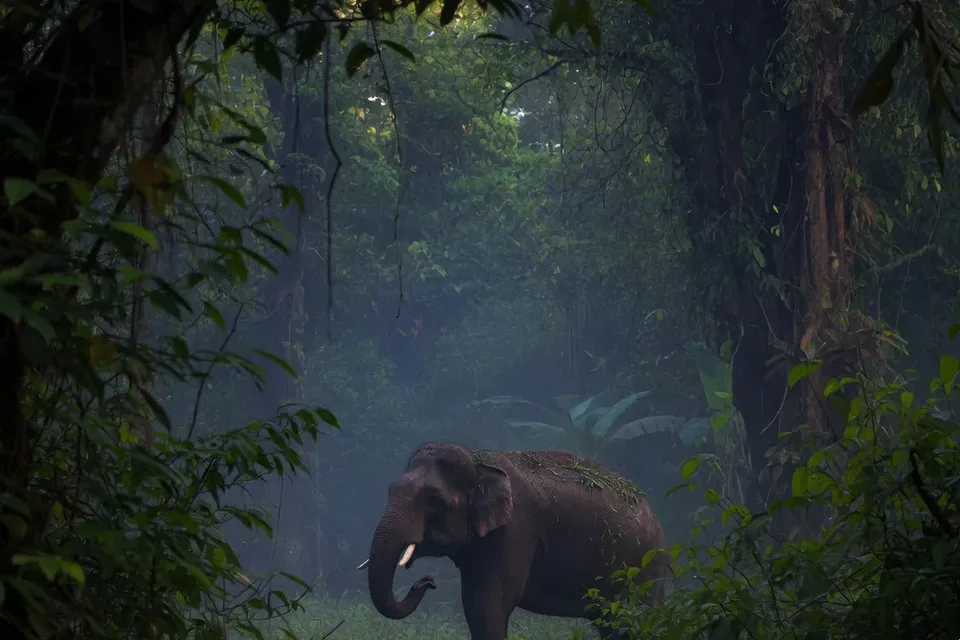
Satun, far south. 1,490 km², 51 islands. Former political prison on Ko Tarutao, plus Adang. Monitor lizards, langurs, hornbills, empty beaches, almost no nightlife. That is the product.
How to use a park without becoming the problem
- Fees: often 200–400 THB foreign adult (children commonly half). Thai rates 20–40 THB. Annual passes exist; ask DNP, do not invent a SKU.
- Beds: bungalows, dorms, camping — book the DNP site. Khao Yai and Erawan vanish on weekends.
- Rules: no feeding, no litter, single-use plastics banned in parks since 2018, no drones without permission, no off-trail heroics. Fines happen.
- Guides: required on some trails. Visitor centre, not a man in the car park with a photocopied card.
- Cash, wristband, last boat. Park permits.
A Fenteer dry bag, black, 10 litre for marine days, approach shoes for the rest, head torch if you stay after dusk. Gateway packing: Packing.
Monsoon still wins: Andaman marine parks shut in the southwest wet. Inthanon is a fleece. Khao Yai roads can go stupid in September. Monsoon seasons.
Next
Park permits, Khao Yai, Khao Sok, Doi Inthanon, Wildlife overview.